.png)
Is your fleet maintenance software working for you, or are you working for it?
Most fleet managers invest in technology to reduce downtime and cut costs, yet many find themselves buried in the same operational chaos they tried to escape. Simply having a digital system isn't enough; the way you implement and interact with that data determines whether your fleet stays on the road or stays in the shop.
From ignoring preventive maintenance triggers to relying on disconnected "paper-and-digital" hybrids, small errors in how you use your software can lead to massive financial leaks. Are you making the most of your investment, or is your software just a glorified repair log?
Many fleets treat their fleet maintenance software as a digital filing cabinet for repairs that have already happened. This "fix-it-when-it-breaks" mentality is the most expensive way to run a shop. When you use your system only to record failures, you miss the opportunity to prevent them.
The fix is to leverage the benefits of preventive maintenance (PM) tools within your system. emdecs one allows you to configure PM schedules based on actual mileage, engine hours, or time intervals. By setting up automated alerts, you ensure that vehicles are serviced before a minor wear-and-tear issue turns into a roadside breakdown. This shifts your operation from reactive chaos to proactive control.
It is common for managers to keep spreadsheets or paper logs alongside their maintenance software. This creates a "dual-entry" nightmare where data is often missing, outdated, or conflicting. If your technicians are writing notes on paper and you are typing them into a system later, you aren't running a digitized fleet, you’re running a manual one with extra steps.
To maximize efficiency, your software must be the single source of truth. emdecs one provides a Centralized Management system that eliminates the need for parallel tools. By requiring all inspections, work orders, and parts usage to be entered directly into the platform, you gain a 360-degree view of your assets. This centralization ensures that every stakeholder, from the shop floor to the executive office, is looking at the same real-time data.
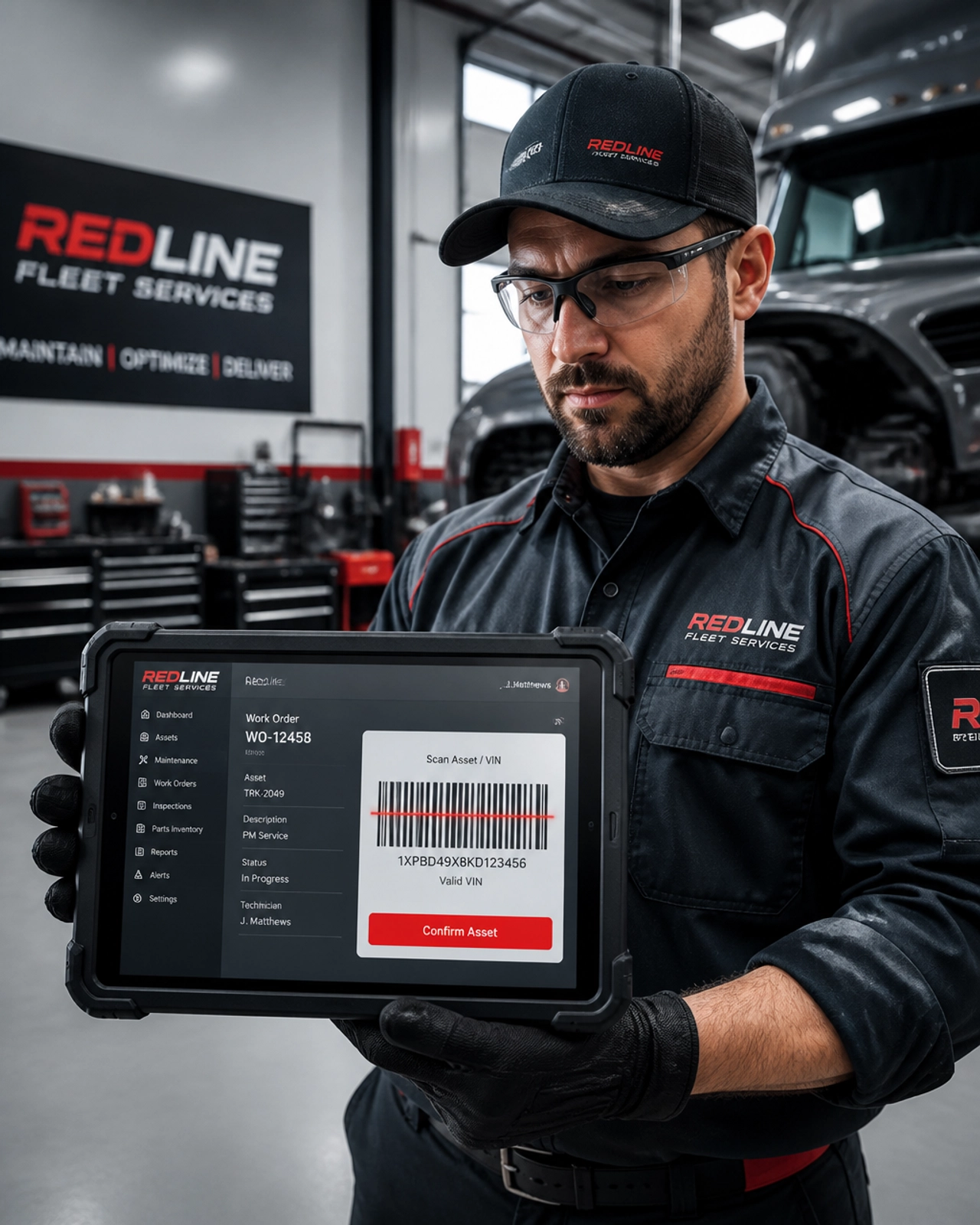
A significant bottleneck in repair shops is the "information lag" between technicians and managers. When a tech identifies a defect but has to walk across the shop to find a manager or wait for a shift change to report it, the vehicle's downtime increases. Incomplete notes and missing timestamps make it impossible to track labor productivity or repair accuracy.
Implement Role-Specific Tools to bridge the communication gap. emdecs one offers dedicated portals for technicians, managers, and drivers. Technicians can update work orders in real-time from their tablets, while managers receive instant notifications of job status changes. This specialized access ensures that everyone has exactly what they need to do their jobs without the clutter of irrelevant data.
Are you retiring trucks too late? Or perhaps too early? Many managers fail to track the true lifecycle cost of an asset. Without accurate data on parts, labor, and fuel costs per unit, you cannot make informed "repair vs. replace" decisions. This leads to keeping "money pit" vehicles in the fleet far longer than is profitable.
Use your software to analyze fleet operating costs at the individual asset level. With emdecs one, you can drill down into the total cost of ownership for every vehicle in your fleet. By tracking recurring repairs and part failures, you can identify which models are underperforming and adjust your procurement strategy accordingly.

Paper-based inspections and work orders are prone to error, loss, and illegible handwriting. If your shop is still using physical forms for daily inspection reports, you are vulnerable to compliance risks and delayed repairs. Paperwork creates a barrier between the problem being found and the problem being fixed.
Transform your shop floor by going paperless. Digitized fleet data allows for instant submission of DVIRs (Driver Vehicle Inspection Reports). When a driver submits a digital inspection via emdecs one, any defects are immediately flagged and can be converted into a work order with a single click. This speed ensures that safety issues are addressed immediately, keeping your fleet compliant and your drivers safe.
Maintenance doesn't just happen at a desk. When managers or technicians are tethered to a desktop computer to update records, data entry gets delayed or forgotten. If your software isn't accessible in the yard, in the shop bay, or on the road, you are losing valuable real-time visibility.
Leverage the power of cloud-based fleet maintenance software. emdecs one is designed for mobile accessibility, allowing users to manage maintenance and stay connected to every asset from any device. Whether you are managing a single shop or multiple locations, having the ability to check a vehicle's history or approve a repair from a smartphone ensures that the wheels keep turning.
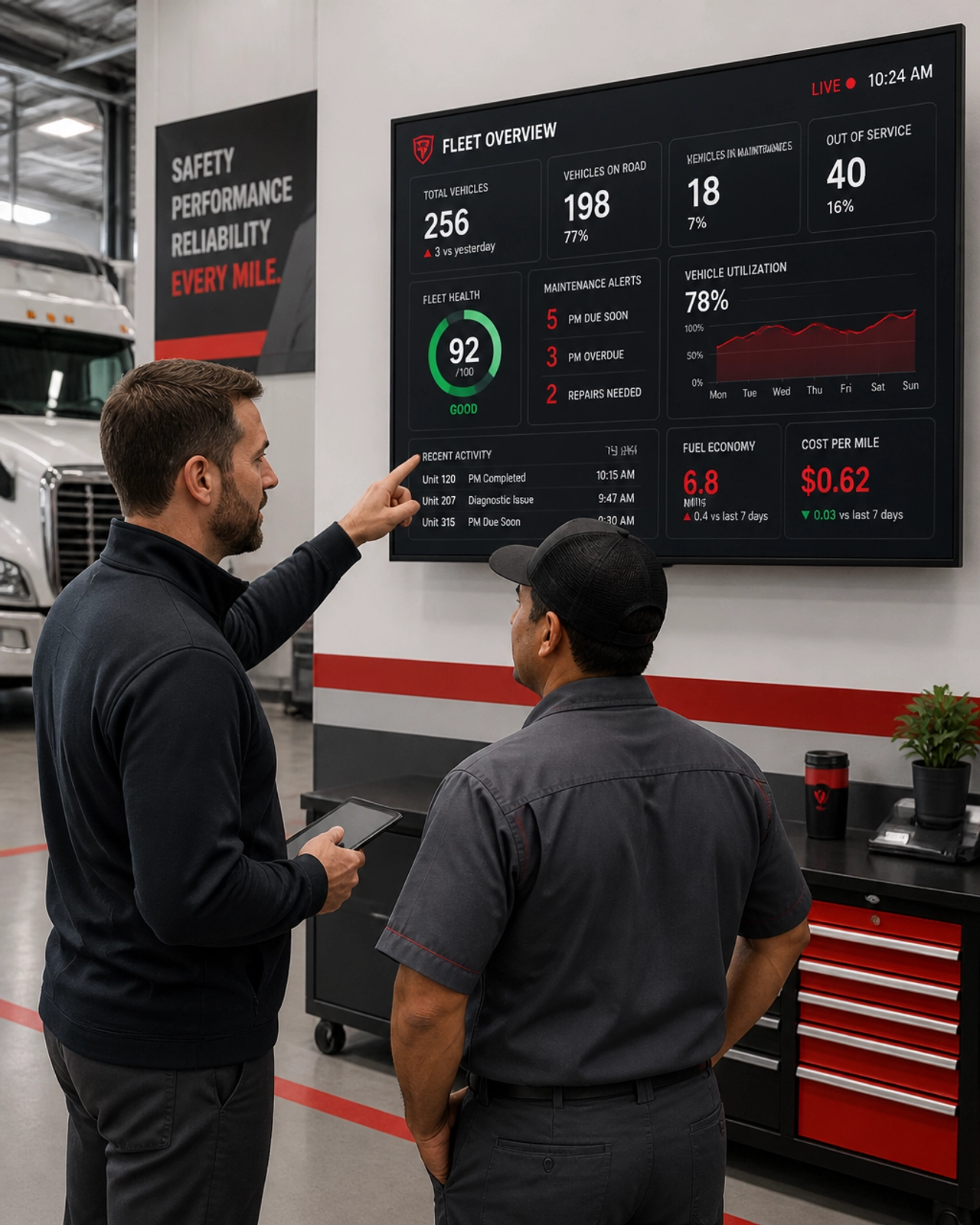
Many fleets use telematics for GPS tracking but fail to integrate that data with their maintenance software. Without this connection, your maintenance team has no visibility into real-time fault codes or engine health until the vehicle is physically back in the shop. This missed connection is a missed opportunity for predictive maintenance.
The ultimate fix is to integrate Advanced Telematics with your maintenance system. By connecting your vehicles directly to emdecs one, fault codes and engine data flow automatically into the software. This allows you to replace paperwork with real-time digital insights, enabling your team to diagnose issues before the driver even notices a symptom.
Avoiding these common mistakes is the difference between a fleet that costs money and a fleet that makes money. By centralizing your management, empowering your technicians with role-specific tools, and embracing digitized data, you transform your maintenance operation from a cost center into a competitive advantage.
Are you ready to stop making these mistakes and start optimizing your fleet?
What is the most common mistake in fleet maintenance?
The most common mistake is reactive maintenance, waiting for a vehicle to break before logging it in the software. This leads to higher costs and more downtime compared to scheduled preventive maintenance.
How does EMDECS improve technician communication?
EMDECS provides a dedicated Technician Portal that allows techs to receive assignments, log parts, and update labor hours in real-time from mobile devices, ensuring managers always have the latest status.
Why should I move away from paper inspections?
Digital inspections are faster, more accurate, and provide an instant audit trail for compliance. They also ensure that defects are flagged for repair immediately rather than waiting for a piece of paper to be hand-delivered.
Can fleet maintenance software help with compliance?
Yes. Systems like EMDECS track inspection schedules, license renewals, and DVIRs, providing automated alerts to ensure your fleet always meets regulatory standards.
Talk to our team about what is going on in your operation.
We will point you to what is relevant.