.png)
![[HERO] The Fleet Manager’s Guide to Mastering the Digital Fleet Maintenance Checklist](https://cdn.prod.website-files.com/6a5128f52fb02afcbfa6d2b5/6a62743f87685792fd867ef4_vuDCCHSsM8V.webp)
Most fleet managers have experienced the frustration of a breakdown occurring just days after a "clean" inspection report. Paper checklists are often treated as a bureaucratic hurdle rather than a maintenance tool. This results in "pencil whipping," where technicians check boxes to finish paperwork rather than to identify risks.
When critical defects are missed, the cost is measured in more than just repair bills. You face lost revenue from idle assets, disrupted delivery schedules, and potential safety violations. The disconnect between the clipboard and the shop floor is a primary driver of unplanned downtime.
Transitioning to a digital maintenance checklist is not about replacing paper with a screen. It is about creating a data-driven process that ensures accountability and provides a clear audit trail. This guide outlines how to move beyond basic inspections to a system that predicts and prevents failures.
This guide is designed for fleet owners, maintenance directors, and operations managers handling heavy-duty or multi-location fleets. We are addressing the specific problem of fragmented data and unreliable inspection habits that lead to high operating costs.
By the end of this article, you will understand how to structure a digital checklist that technicians actually use. You will learn how to integrate these lists into your broader fleet-management-system to automate work orders. The goal is to provide a roadmap for reducing vehicle downtime through precise, actionable inspections.
Paper-based systems are inherently reactive and prone to human error. A physical sheet of paper cannot alert a manager if a critical fluid level is consistently dropping over three weeks. It only records the state of the vehicle at a single moment, often in handwriting that is difficult to decipher.
The lack of real-time visibility means that a failed inspection might sit on a desk for hours or days before a work order is created. This delay allows minor issues, like a worn belt or a small coolant leak, to evolve into catastrophic engine failures. In a high-utilization environment, these delays are the difference between a $100 preventive fix and a $10,000 emergency repair.
Consider a multi-state freight operation using paper logs. If a driver in Nevada flags a suspension issue, the maintenance lead in the home office might not see that report until the truck returns a week later. In the meantime, the asset continues to vibrate, damaging other components and increasing the risk of a roadside inspection failure.

The first step in mastering a digital checklist is moving away from manual odometer and hour meter entries. Manual entry is the weakest link in any maintenance management system. When a technician rounds up a mileage figure, your preventive maintenance intervals become inaccurate.
Digital checklists should sync directly with telematics data to pull exact meter readings. This ensures that the checklist the technician sees is relevant to the vehicle’s actual usage. If a truck has hit a specific mileage threshold, the digital system can automatically insert "inspect brake linings" into the daily walk-around.
For example, a fleet of delivery vans operating in stop-and-go city traffic will wear out brakes faster than long-haul assets. A digital system recognizes this usage pattern and adjusts the checklist frequency. This ensures you are not over-servicing assets while simultaneously preventing "surprise" metal-on-metal brake failures.
A common mistake is using the same generic checklist for every asset in the yard. A refrigerated trailer has significantly different maintenance requirements than a dry van or a heavy-duty tractor. Forcing technicians to skip irrelevant sections on a generic list leads to mental fatigue and missed items.
Effective digital checklists are modular and asset-specific. You should build separate templates for different vehicle classes, age groups, and even seasonal requirements. During winter months, your checklist should prioritize battery cold-crank capacity and air dryer heaters.
In a real-world scenario, a specialized fleet operator might have separate digital flows for their hydraulic cranes and their transport trucks. The crane checklist focuses on load-testing and hose integrity, while the truck list focuses on drivetrain and tires. This specificity ensures the technician remains engaged with the task at hand rather than just checking "N/A" on thirty lines.
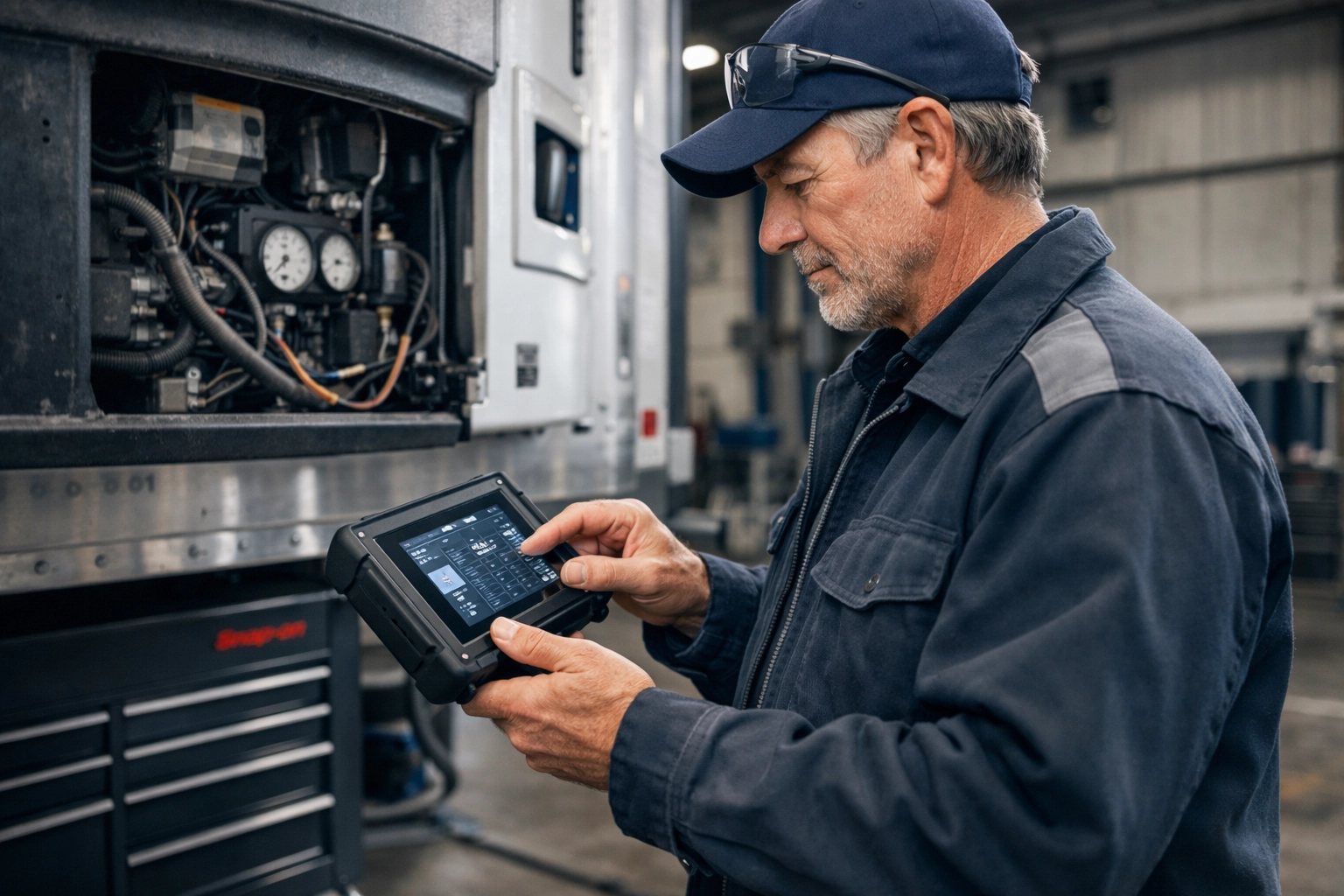
An inspection has zero value if it does not lead to a documented action. The greatest advantage of digital checklists is the ability to trigger work orders instantly based on a failed item. This eliminates the "lost in translation" phase where a driver tells a mechanic about a noise, and the mechanic forgets by lunchtime.
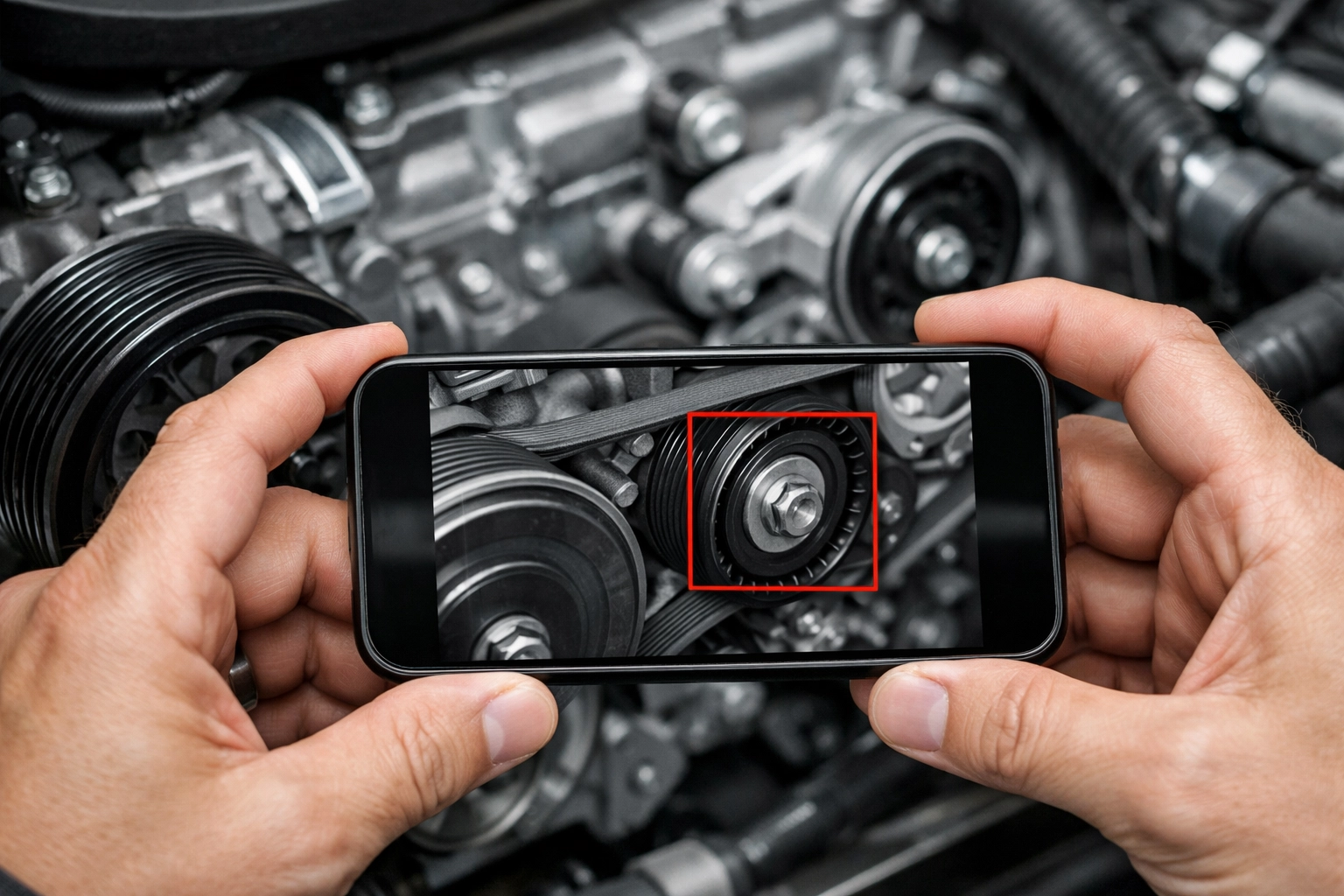
When a technician flags a "fail" on a digital checklist, the system should require a photo and a brief note. This visual evidence is critical for justifying parts spend and tracking recurring issues with specific brands or models. It creates a closed-loop system where the problem is identified, documented, and scheduled for repair in one movement.
Using truck-issue-management-software, a failed inspection point automatically enters the shop's service board. This allows the shop foreman to prioritize the repair alongside existing scheduled maintenance. This level of coordination is impossible with a paper-based filing cabinet system.
Skepticism often surrounds "digital transformation" because it can feel like extra work for the shop. However, requiring photos for failed items actually protects the technician and the manager. It provides objective proof of wear or damage that words cannot adequately describe.
If a driver claims a pre-existing scratch or a technician finds a cracked frame rail, a timestamped photo is the ultimate source of truth. This documentation is invaluable during DOT audits or when processing warranty claims with manufacturers. It moves the conversation from "I think we have a problem" to "Here is the evidence of the failure."
Take the example of a cracked leaf spring. A technician might note it on paper, but the urgency might not be clear to the office. A clear high-resolution photo sent through a driver portal allows the maintenance manager to see the severity instantly. They can then decide if the truck needs to be grounded or if it can finish its current route safely.
Mastering the digital checklist provides more than just daily compliance; it generates a high-level view of fleet health. When you aggregate months of inspection data, you begin to see trends that were previously invisible. You might find that a certain year-model of trailer consistently has lighting failures every 5,000 miles.
This insight allows you to shift from preventive maintenance to predictive maintenance. You can begin replacing components just before they are statistically likely to fail, rather than waiting for a driver to flag them. This proactive approach is the most effective way how to minimize fleet downtime across the entire operation.
Many managers falsely assume that software will solve their maintenance problems on its own. In reality, the software is only as good as the process it enforces. The digital checklist is the enforcement mechanism that ensures your maintenance strategy is actually being executed on the shop floor.
The transition to digital requires a clear rollout plan to ensure buy-in from your team. Technicians and drivers are often resistant to new technology if they perceive it as "big brother" tracking their every move. The focus must remain on how the tool makes their jobs easier and the equipment safer.
Start by auditing your current paper lists and removing any redundant or unnecessary items. Once the lists are lean, implement a pilot program with a small group of senior drivers and technicians. Use their feedback to refine the user interface and the logic of the digital forms before a full fleet rollout.
Provide clear training on how to use the mobile interface and emphasize that the system is there to ensure they have safe equipment to operate. A driver who knows that a flagged tire will be replaced before their next haul is much more likely to perform a thorough inspection. This alignment of interests is the foundation of a successful digital maintenance program.
To master your digital maintenance checklist, stop viewing it as a standalone task. It is a critical data input for your entire maintenance operation. If your inspections are not currently triggering automatic work orders or syncing with your odometer readings, your system is incomplete.
Begin by reviewing your last thirty days of breakdowns. Determine how many of those issues were "checked as good" on recent inspections. This gap is your starting point for improvement.
If you are ready to eliminate the friction between the shop and the office, evaluate how a unified maintenance management system can centralize your checklists. Moving to a digital-first approach is the most direct path to increasing asset lifespan and protecting your bottom line.
Talk to our team about what is going on in your operation.
We will point you to what is relevant.